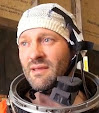
I was up at 4am, thinking of snow blowing across the surface of the Vatnajokull. I thought about the north face of Dead Man Peak, where Chiu and I had to rappel off a single piton in a storm one winter; that piton must still be there in the rock. On the sea floor thirty miles off Panama is a favorite rope of mine, swept off the bow of the sailing raft one night. I imagine the piton taking on a spot of rust; but no, it's chrome-molybdenum, it will survive a very long time and since nobody climbs that face I doubt the piton will ever be found. The rope is synthetic and I can only wonder how long it will skid and heave there on the sea floor with the occasional storm up above.
I though of flying my wing; I could feel it up above me, and I thought of how I will look up at it and then down past my legs again at the frozen surface of the Chukchi Sea. I'll turn easily to the right, towards land, and start setting up my landing. My flights will be short, the cliff is only a thousand feet high, so I'll only be up a few minutes at a time unless I have a bit of wind. I envisioned the terrain and the safe ways up the slope and the ones I'd have to avoid because of avalanche danger.
I thought about how I'm glad I wrapped up climbing when I did. The culture had changed and suddenly a lot more people were climbing; there were indoor gyms where people climbed plastic holds screwed into plywood. People were talking about 'play', which I never understood because I'd never thought of climbing as fun; I wanted a battle every time I went out. There was a lot of hugging going on, which was really disconcerting. I was always satisfied with shaking my partner's hand, if that, but now there was all this hugging and talk of a 'sense of community'. On a summit my partner and I usually passed the water bottle back and forth, looked at the sky, looked at our watches, and started working out the descent plan.
I didn't understand all the externalization; everyone wanted to talk about climbing. The word 'therapy' was in wide circulation. It made me want to pull my own teeth out with pliers.
Why did everyone want to talk so much?
My mind went back to that beautiful piton in the rock, and snow blowing across the ice cap.
Monday, July 26, 2010


Monday, July 19, 2010
The Temple of Nature
By Erasmus Darwin, grandfather of Charles, in his 1802 poem The Temple of Nature:
"Organic life beneath the shoreless waves
Was born and nurs'd in ocean's pearly caves;
First forms minute, unseen by spheric glass,
Move on the mud, or pierce the watery mass;
These, as successive generations bloom,
New powers acquire and larger limbs assume;
Whence countless groups of vegetation spring,
And breathing realms of fin and feet and wing."
Pressure Test Setback

Big setback in a recent pressure test. While there is only one small leak, now, and I could patch it up, I've crossed a line; I've done too many 'last little patches'. Too many pieces in the puzzle, and each is one that could fail, and failure of the pressure garment would lead to rapid decompression sickness and unconsciousness, followed of course by a trip across the Styx!
So I will completely dismantle and rebuild the helmet-pressure garment interface. That will take at least a month.
In better news, I took the wing out on Sunday, practicing a few launches and landings in a variable wind. Maintaining proficiency and automatically reacting to the wing's movements is critically important. Training sessions like this are like buying insurance!
Thursday, July 15, 2010
Wonders of the Deep


Mind-bending and beautiful video stills from exploration of the deep sea. Most of the Earth is covered with water, of course (Paul Watson thinks we should call this planet Ocean, which isn't a bad idea), and you know as well as I do, and everyone else does, because the Cousteau family have been telling us for a generation and a half, that we don't know the first thing about it!
Below, a breathless--is there any other way to be????--presentation by Bob Ballard. My favorite part comes at the end, where he talks about getting children interested (direct link in case the YouTube viewer below doesn't work: http://www.youtube.com/watch?v=qHU8G6icwsY):
“This is a young lady not watching a football game, not watching a basket ball game, watching exploration live from thousands of miles away, and it’s just dawning on her what she’s seeing, and when you get a jaw drop you can inform, you can put so much information into that mind, it’s in full reset mode.”
BRAVO!!!
Oh! And hot off the press, from Australian scientists, a close-up photo, below of deep-sea squid skin! Has anything in your life experience prepared you for that image? I am absolutely astounded, I want to delve into the world of pigmentation, fling open the doors to a hundred special topics in dermal cells and deep-sea life. How can people watch football when things like this exist, completely new to human eyes????

Wednesday, July 14, 2010
Base Pairs

The human genome -- as well as the genomes of many species (including Neanderthals!) -- can now be browsed online. I looked for the FOXP2 gene, related to some language production and comprehension disorders in humans, and found it (image above shows it on the lower part of chromosome 7). It is mind-boggling to think that this is possible; when I was an undergraduate the study of human evolution was 99% fossils and 1% genetic: today it's 50/50. In my browsing I searched for and found that FOXP2 is 2,594 base-pairs long; I copied the list, pasted it into Word, deleted the line counters, did a character count, and wow...2,594. Below are the base pair arrangements for FOXP2, followed by a summary. Note that genes are simply arrangements of various molecules; they direct the building of the twenty proteins that make up most life forms. There are four kinds of bases; adenine (a), guanine (g), cytosine (c) and thymine (t).
LOCUS AY144615 2594 bp mRNA linear PRI 02-NOV-2002
DEFINITION Homo sapiens brain forkhead/winged helix transcription factor FOXP2
isoform mRNA, complete cds; alternatively spliced.
ACCESSION AY144615
VERSION AY144615.1 GI:24496248
KEYWORDS .
SOURCE Homo sapiens (human)
ORGANISM Homo sapiens
Eukaryota; Metazoa; Chordata; Craniata; Vertebrata; Euteleostomi;
Mammalia; Eutheria; Euarchontoglires; Primates; Haplorrhini;
Catarrhini; Hominidae; Homo.
REFERENCE 1 (bases 1 to 2594)
AUTHORS Guo,J.H., Chen,L. and Yu,L.
TITLE Direct Submission
JOURNAL Submitted (27-AUG-2002) School of Life Sciences, Fudan University,
Institute of Genetics, Handan RD, 220, Shanghai 200433, China
FEATURES Location/Qualifiers
source 1..2594
/organism="Homo sapiens"
/mol_type="mRNA"
/db_xref="taxon:9606"
/tissue_type="brain"
CDS 370..2592
/note="alternatively spliced"
/codon_start=1
/product="forkhead/winged helix transcription factor FOXP2
isoform"
/protein_id="AAN60016.1"
/db_xref="GI:24496249"
/translation="MMQESATETISNSSMNQNGMSTLSSQLDAGSRDGRSSGDTSSEV
STVELLHLQQQQALQAARQLLLQQQTSGLKSPKSSDKQRPLQELLPETKLCICGHSSG
DGHPHNTFAVPVSVAMMTPQVITPQQMQQILQQQVLSPQQLQALLQQQQAVMLQQQQL
QEFYKKQQEQLHLQLLQQQQQQQQQQQQQQQQQQQQQQQQQQQQQQQQQQQQQQQQHP
GKQAKEQQQQQQQQQQLAAQQLVFQQQLLQMQQLQQQQHLLSLQRQGLISIPPGQAAL
PVQSLPQAGLSPAEIQQLWKEVTGVHSMEDNGIKHGGLDLTTNNSSSTTSSNTSKASP
PITHHSIVNGQSSVLSARRDSSSHEETGASHTLYGHGVCKWPGCESICEDFGQFLKHL
NNEHALDDRSTAQCRVQMQVVQQLEIQLSKERERLQAMMTHLHMRPSEPKPSPKPLNL
VSSVTMSKNMLETSPQSLPQTPTTPTAPVTPITQGPSVITPASVPNVGAIRRRHSDKY
NIPMSSEIAPNYEFYKNADVRPPFTYATLIRQAIMESSDRQLTLNEIYSWFTRTFAYF
RRNAATWKNAVRHNLSLHKCFVRVENVKGAVWTVDEVEYQKRRSQKITGSPTLVKNIP
TSLGYGAALNASLQAALAESSLPLLSNPGLINNASSGLLQAVHEDLNGSLDHIDSNGN
SSPGCSPQPHIHSIHVKEEPVIAEDEDCPMSLVTTANHSPELEDDREIEEEPLSEDLE"
Begin

gcttgaacct tgtcacccct cacgtgcaca ccaaagacat accctagtga ttaaatgctg
atttgtgtac gatgtccacg gacgccaaaa caatcacaga gctgcttgat tgttttaatt
atccagcaca aaatgccatc agtctgggac gtgatcgggc agaggtgtac tcacagtagt
gtaaatactg ctgtaaatag tgtctgatgg tggcttgaca gtgagctagc ttctgagttt
tcccttcttt ttatactgtt ttctgtgctg gcttttttga atcttcctaa tttttcatct
ctttaacaaa ctcctatgaa gttgaaaccg ggaagtttgc tctaacattt ccagagaagg
tattaagtca tgatgcagga atctgcgaca gagacaataa gcaacagttc aatgaatcaa
aatggaatga gcactctaag cagccaatta gatgctggca gcagagatgg aagatcaagt
ggtgacacca gctctgaagt aagcacagta gaactgctac atctgcaaca acagcaggct
ctccaggcag caagacaact tcttttacag cagcaaacaa gtggattgaa atctcctaag
agcagtgata aacagagacc actgcaggaa ttgcttccag aaacaaaatt atgtatctgt
ggccactctt ctggtgatgg gcatcctcac aacacatttg cagtgcctgt gtcagtggcc
atgatgactc cccaggtgat cacccctcag caaatgcagc agatccttca gcaacaagtc
ctgtctcctc agcagctaca agcccttctc caacaacagc aggctgtcat gctgcagcag
caacaactac aagagtttta caagaaacag caagagcagt tacatcttca gcttttgcag
cagcagcagc aacagcagca gcagcaacaa cagcagcaac aacagcagca gcaacaacaa
caacaacagc agcaacaaca gcagcagcag cagcaacagc agcagcagca gcaacagcat
cctggaaagc aagcgaaaga gcagcagcag cagcagcagc agcaacagca attggcagcc
cagcagcttg tcttccagca gcagcttctc cagatgcaac aactccagca gcagcagcat
ctgctcagcc ttcagcgtca gggactcatc tccattccac ctggccaggc agcacttcct
gtccaatcgc tgcctcaagc tggcttaagt cctgctgaga ttcagcagtt atggaaagaa
gtgactggag ttcacagtat ggaagacaat ggcattaaac atggagggct agacctcact
actaacaatt cctcctcgac tacctcctcc aacacttcca aagcatcacc accaataact
catcattcca tagtgaatgg acagtcttca gttctaagtg caagacgaga cagctcgtca
catgaggaga ctggggcctc tcacactctc tatggccatg gagtttgcaa atggccaggc
tgtgaaagca tttgtgaaga ttttggacag tttttaaagc accttaacaa tgaacacgca
ttggatgacc gaagcactgc tcagtgtcga gtgcaaatgc aggtggtgca acagttagaa
atacagcttt ctaaagaacg cgaacgtctt caagcaatga tgacccactt gcacatgcga
ccctcagagc ccaaaccatc tcccaaacct ctaaatctgg tgtctagtgt caccatgtcg
aagaatatgt tggagacatc cccacagagc ttacctcaaa cccctaccac accaacggcc
ccagtcaccc cgattaccca gggaccctca gtaatcaccc cagccagtgt gcccaatgtg
ggagccatac gaaggcgaca ttcagacaaa tacaacattc ccatgtcatc agaaattgcc
ccaaactatg aattttataa aaatgcagat gtcagacctc catttactta tgcaactctc
ataaggcagg ctatcatgga gtcatctgac aggcagttaa cacttaatga aatttacagc
tggtttacac ggacatttgc ttacttcagg cgtaatgcag caacttggaa gaatgcagta
cgtcataatc ttagcctgca caagtgtttt gttcgagtag aaaatgttaa aggagcagta
tggactgtgg atgaagtaga ataccagaag cgaaggtcac aaaagataac aggaagtcca
accttagtaa aaaatatacc taccagttta ggctatggag cagctcttaa tgccagtttg
caggctgcct tggcagagag cagtttacct ttgctaagta atcctggact gataaataat
gcatccagtg gcctactgca ggccgtccac gaagacctca atggttctct ggatcacatt
gacagcaatg gaaacagtag tccgggctgc tcacctcagc cgcacataca ttcaatccac
gtcaaggaag agccagtgat tgcagaggat gaagactgcc caatgtcctt agtgacaaca
gctaatcaca gtccagaatt agaagacgac agagagattg aagaagagcc tttatctgaa
gatctggaat gaga

End

"This gene encodes a member of the forkhead/winged-helix (FOX) family of transcription factors. It is expressed in fetal and adult brain as well as in several other organs such as the lung and gut. The protein product contains a FOX DNA-binding domain and a large polyglutamine tract and is an evolutionarily conserved transcription factor, which may bind directly to approximately 300 to 400 gene promoters in the human genome to regulate the expression of a variety of genes. This gene is required for proper development of speech and language regions of the brain during embryogenesis, and may be involved in a variety of biological pathways and cascades that may ultimately influence language development. Mutations in this gene cause speech-language disorder 1 (SPCH1), also known as autosomal dominant speech and language disorder with orofacial dyspraxia. Multiple alternative transcripts encoding different isoforms have been identified in this gene."
Tuesday, July 13, 2010
A Still More Glorious Dawn Awaits
A recently-developed video: I think Carl Sagan would have approved of it:
Monday, July 12, 2010
Clear the Decks
Time to mentally clear the decks for two book projects, each due in about 90 days. The bulk of the research is done--the results of hundreds of research articles and dozens of books read in the last year, ten years of teaching and 15 years of postgraduate research and education all combining and recombining and making both old and new associations in my mind--and now the task is composing the sentences, paragraphs, pages, and chapters. I have detailed outlines and hundreds of references; now for the tone.
"Life is a constant matter of experimental centrifugal pressure outward against its environment. During the course of my life I have encountered a squirrel on a subway platform, pigeons on my book cases, and a flying squirrel who had set up housekeeping in the drawer of a kitchen cabinet. Their acts were totally exploratory."

--Loren Eisley, "Man and Novelty" p.76 in "Time and Stratigraphy in the Evolution of Man", 1967, Publication 1469 of the National Academy of Sciences, Washington, D.C.
Subscribe to:
Posts (Atom)